
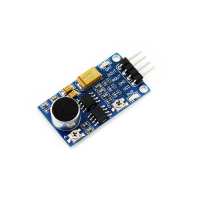
متحسس صوت من شركة ويف شير side image
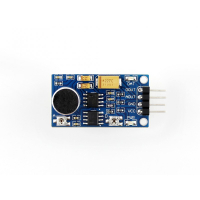
متحسس صوت من شركة ويف شير side image
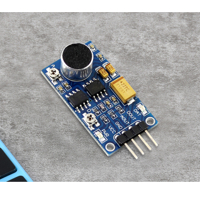
متحسس صوت من شركة ويف شير side image
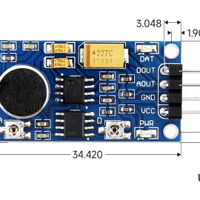
متحسس صوت من شركة ويف شير side image
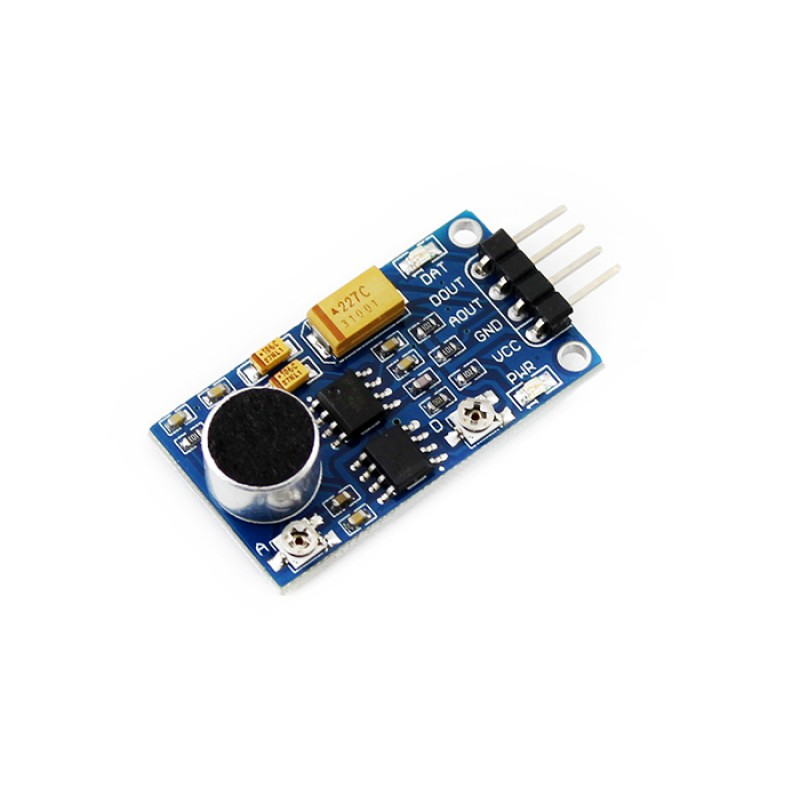
متحسس صوت من شركة ويف شير
IQD 9,000

الوصف
a compact yet powerful module engineered to measure the intensity of surrounding sound waves. Whether you’re building an interactive art installation, developing a voice-activated home automation project, or simply experimenting with sound-based triggers, this sensor offers a convenient and reliable way to capture audio signals for further processing. By providing both an analog and/or digital output (depending on the specific design or usage), the Waveshare Sound Sensor seamlessly integrates with a range of microcontrollers and development boards.
Key Features
High Sensitivity
Equipped with a specialized microphone and onboard amplifier circuitry, the sensor accurately detects ambient sound levels, making it ideal for projects that respond to clapping, voice commands, or environmental noise thresholds.
Versatile Output Modes
Depending on the model or configuration, the sensor can offer both analog voltage readings for precise sound level measurement, as well as digital signaling for on/off threshold detection—perfect for microcontroller-based applications.
Wide Operating Voltage Range
Designed to function reliably within a broad input voltage range (e.g., 2.0V to 5.5V, as specified by the module’s datasheet). This flexibility lets you power the sensor from various sources, including batteries, USB power, or regulated power lines.
Built-In Amplifier
Features an onboard operational amplifier (e.g., LMV358 or similar) to boost the sensor’s output, ensuring stable readings and reduced noise interference in diverse acoustic conditions.
Easy Integration
The sensor’s pin interface is straightforward to connect with popular development platforms like Arduino, Raspberry Pi, or other microcontrollers. Clear labeling for VCC, GND, and output pins helps minimize wiring errors.
Adjustable Sensitivity (If Provided)
Some versions of the Waveshare Sound Sensor may include a potentiometer for fine-tuning detection thresholds, enabling you to optimize performance based on your specific environment and application.
Compact & Durable Design
Housed on a small PCB, the sensor is easy to mount on breadboards, prototyping rigs, or embedded systems. The robust construction ensures reliable operation in a range of educational, hobbyist, or professional applications.
How It Works
Sound Detection: The built-in microphone picks up ambient audio vibrations (sound waves), converting them into electrical signals.
Amplification: An onboard operational amplifier boosts these signals, making them easier for microcontrollers to read or interpret.
Output:
Analog: Provides a continuous voltage level proportional to the sound intensity.
Digital: Triggers a HIGH or LOW signal once the measured sound crosses a preset threshold (if threshold adjustment is available).
Microcontroller Processing: Connect the output pin(s) to an analog or digital input on a microcontroller board (e.g., Arduino). Code your project to respond to the sensor’s data—for instance, turning on an LED when a certain volume is detected or activating a recording device upon a sudden noise.
Use Cases
Voice-Activated Controls: Use the sensor to detect spoken commands or clapping signals, turning lights or other devices on/off without physical interaction.
Noise Monitoring: Monitor sound levels in workspaces, home environments, or public areas to ensure compliance with noise regulations or to trigger alerts when noise exceeds safe thresholds.
Interactive Art Installations: Incorporate sound-based triggers in artistic exhibits, creating immersive displays that respond to ambient or intentional sounds.
Alarm Systems: Set up a simple intrusion detector that reacts to unexpected loud noises, integrating the sensor with other security hardware.
Technical Specifications
(Specifications may vary; please refer to the official Waveshare documentation for exact details.)
Power Supply: 2.0V–5.5V (typical 3.3V or 5V)
Amplifier: Onboard operational amplifier (e.g., LMV358)
Output: Analog voltage or digital signal (depending on threshold detection)
Dimensions: Compact PCB layout for easy mounting (exact measurements may vary)
Operating Temperature: 0°C to 50°C (standard operating range, subject to component tolerances)
Why Choose the Waveshare Sound Sensor?
The Waveshare Sound Sensor excels in its simplicity, adaptability, and precision for audio-based detection. Whether you’re a student exploring microcontroller projects or a professional developing noise-sensitive devices, this sensor provides the reliable functionality needed to bring your concepts to life. From generating interactive responses to monitoring environmental noise, the module offers a robust, user-friendly foundation for any sound-focused innovation.
التاكات
منتجات مشابه
متحسس عالي الدقة للضغط الجوي والارتفاع
IQD 12,750
متحسس رطوبة التربة مع بروب معدني وسلك بطول 1.3 متر
IQD 5,000
حساس عدم تلامس للماء نوع ان بي ان يعمل على فولتية من 5 الى 12 بشكل مستطيل مع امكانية تثبيته بشناطة
IQD 12,500
حساس عدم تلامس للماء يعمل على فولتية من 5 الى 24 بشكل مستطيل مع امكانية تثبيته بشناطة
IQD 12,500
متحسس اهتزاز على شكل قرص بقطر 50ملم
IQD 1,000
متحسس اهتزاز على شكل قرص بقطر 35ملم
IQD 750
متحسس مسافة التراسونك صناعي مسافة 750 سم و يعمل ببروتوكول ار اس 485
IQD 45,000
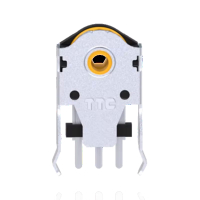
روترر انكودر للماوس حجم 8ملم
IQD 1,750
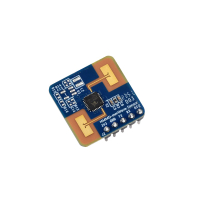
متحسس حركة بترددات الرادارية 24 كيكا هرتز
WaveshareIQD 9,000
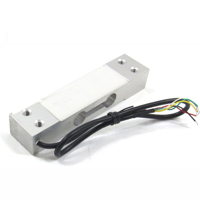
متحسس قياس الوزن لود سيل بشكل تيبل توب
IQD 10,000
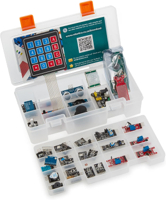
كت سنسرات 37 قطعة النسخة الثانية مع علبة بلاستك مستويين
IQD 34,000
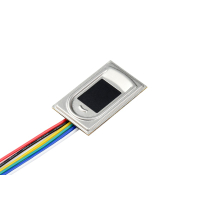
بصمة بشكل مستطيل سعوية يمكن ربطها مع الاردوينو والمتحكمات الاخرى
WaveshareIQD 60,000
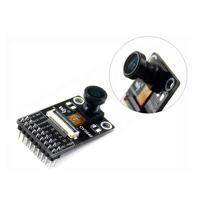
بورد كاميرا نوع اوفي 5640 بدقة 5 ميكابكسل
WaveshareIQD 38,000
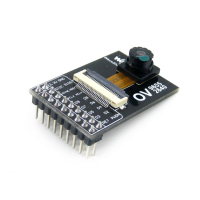
بورد كاميرا نوع اوفي 2640 بدقة 2 ميكابكسل
WaveshareIQD 29,000
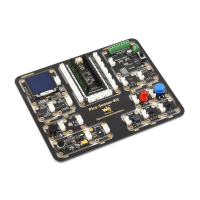
كت متحسسات من شركة ويف شير للرازبيري باي بيكو
WaveshareIQD 105,000
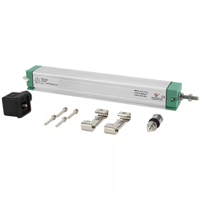
حساس كي تي سي 100 عالي الدقة يقيس الازاحة بين 0-100 ملم بعمر
IQD 30,000
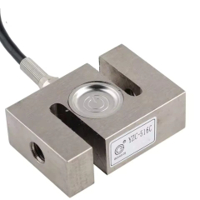
متحسس وزن لود سيل على شكل حرف اس يتحمل 500 كيلو
IQD 31,000
متحسس وزن لود سيل على شكل حرف اس يتحمل 300 كيلو
IQD 28,000
متحسس وزن لود سي على شكل حرف اس يتحمل 100 كيلو
IQD 25,000
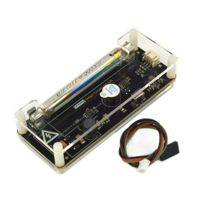
متحسس جهاز كايكر لمعرفة وجود الاشعاع
IQD 135,000
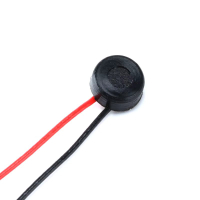
مايكروفون ( مايك ) حجم صغير 4ملم
IQD 250
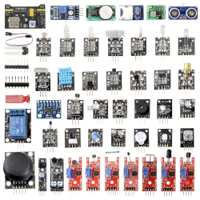
كت سنسرات الاردوينو النسخة البرو
IQD 34,000
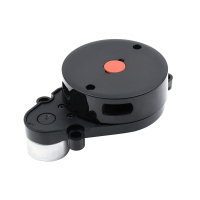
متحسس مسافة بكل الاتجاهات من شركة ويف شير بمسافة 8 متر
IQD 159,000
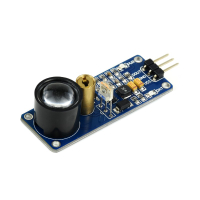
مستشعر الليزر من ويف شير
WaveshareIQD 22,500
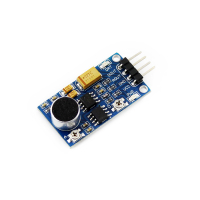
متحسس صوت من شركة ويف شير
WaveshareIQD 9,000
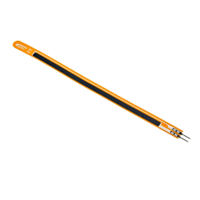
مستشعر انحناء بطول 95 مم من سبكترافلكس
IQD 39,000
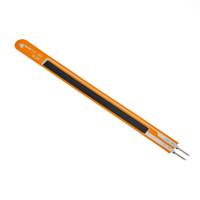
مستشعر انحناء من شركة سبكترافلكس بطول 55 مم
IQD 24,500
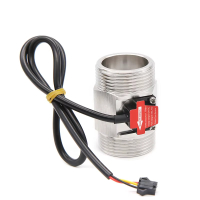
متحسس جريان السوائل ستيل حجم 1 انج
IQD 21,000
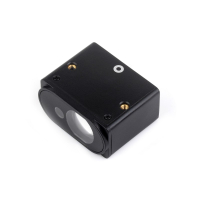
متحسس قياس المسافة بالليزر لمسافة 50 متر من شركة ويف شير
WaveshareIQD 85,000
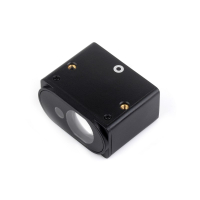
متحسس قياس المسافة بالليزر لمسافة 25 متر من شركة ويف شير
WaveshareIQD 66,000