
لوحة تطوير تنسي 4.1 هي لوحة ميكروكنترولر بدون ايثرنت side image
لوحة تطوير تنسي 4.1 هي لوحة ميكروكنترولر بدون ايثرنت side image
لوحة تطوير تنسي 4.1 هي لوحة ميكروكنترولر بدون ايثرنت side image
لوحة تطوير تنسي 4.1 هي لوحة ميكروكنترولر بدون ايثرنت side image
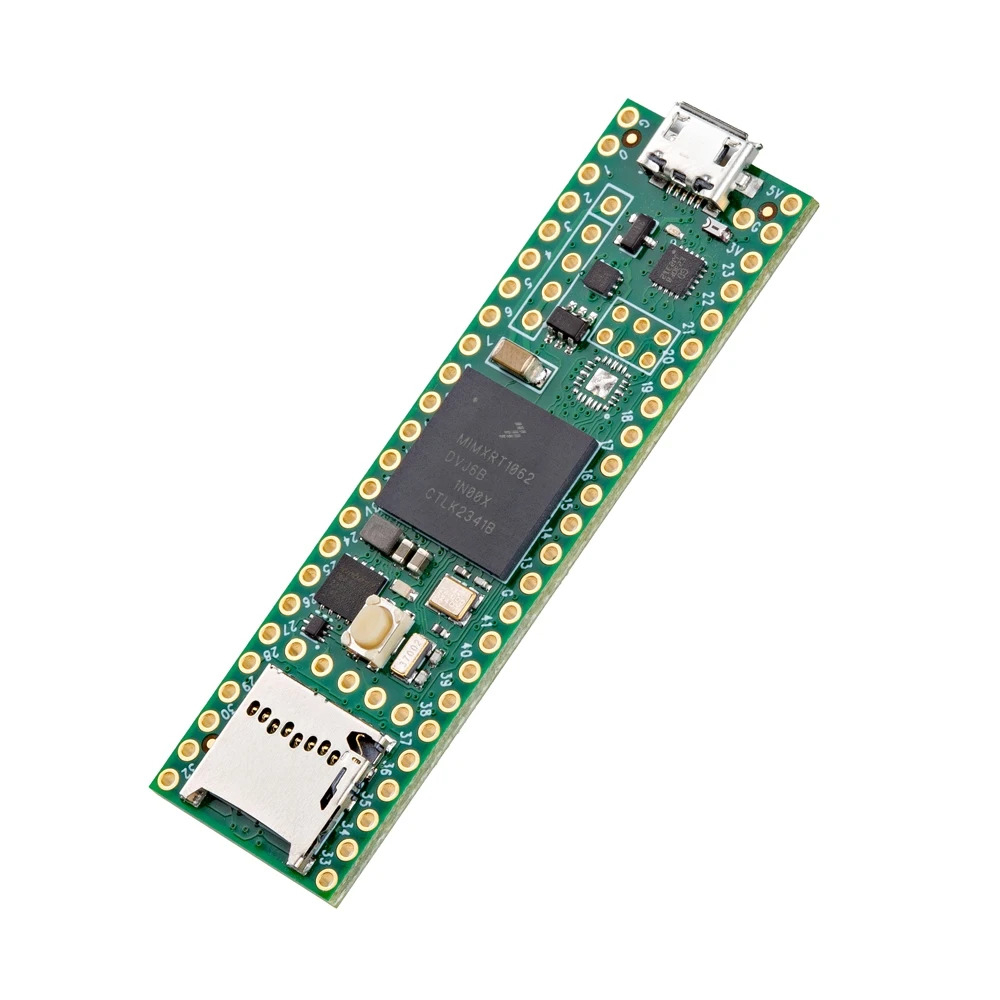
لوحة تطوير تنسي 4.1 هي لوحة ميكروكنترولر بدون ايثرنت
IQD 65,000
الوصف
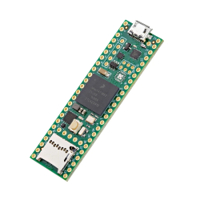
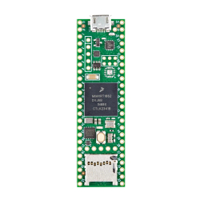
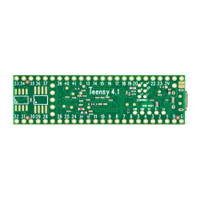
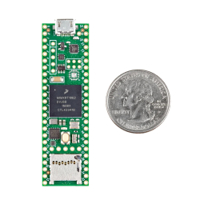
The Teensy 4.1 is the newest iteration of the astoundingly popular development platform that features an ARM Cortex-M7 processor at 600MHz, with a NXP iMXRT1062 chip, four times larger flash memory than the 4.0, and two new locations to optionally add more memory. The Teensy 4.1 is the same size and shape as the Teensy 3.6 (2.4in by 0.7in), and provides greater I/O capability, including an SD card socket, and USB host port. Please keep in mind that this Teensy 4.1 does not have Ethernet capabilities.
When running at 600 MHz, the Teensy 4.1 consumes approximately 100mA current and provides support for dynamic clock scaling. Unlike traditional microcontrollers, where changing the clock speed causes wrong baud rates and other issues, Teensy 4.1 hardware and Teensyduino's software support for Arduino timing functions are designed to allow dynamically speed changes. Serial baud rates, audio streaming sample rates, and Arduino functions like delay() and millis(), and Teensyduino's extensions like IntervalTimer and elapsedMillis, continue to work properly while the CPU changes speed. Teensy 4.1 also provides a power shut off feature. By connecting a pushbutton to the On/Off pin, the 3.3V power supply can be completely disabled by holding the button for five seconds, and turned back on by a brief button press. If a coin cell is connected to VBAT, Teensy 4.1's RTC also continues to keep track of date & time while the power is off. Teensy 4.1 also can also be overclocked, well beyond 600MHz!
The ARM Cortex-M7 brings many powerful CPU features to a true real-time microcontroller platform. The Cortex-M7 is a dual-issue superscaler processor, meaning the M7 can execute two instructions per clock cycle, at 600MHz! Of course, executing two simultaneously depends upon the compiler ordering instructions and registers. Initial benchmarks have shown C++ code compiled by Arduino tends to achieve two instructions about 40% to 50% of the time while performing numerically intensive work using integers and pointers. The Cortex-M7 is the first ARM microcontroller to use branch prediction. On M4, loops and other code which much branch take three clock cycles. With M7, after a loop has executed a few times, the branch prediction removes that overhead, allowing the branch instruction to run in only a single clock cycle.
Tightly Coupled Memory is a special feature which allows Cortex-M7 fast single cycle access to memory using a pair of 64 bit wide buses. The ITCM bus provides a 64 bit path to fetch instructions. The DTCM bus is actually a pair of 32 bit paths, allowing M7 to perform up to two separate memory accesses in the same cycle. These extremely high speed buses are separate from M7's main AXI bus, which accesses other memory and peripherals. 512 of memory can be accessed as tightly coupled memory. Teensyduino automatically allocates your Arduino sketch code into ITCM and all non-malloc memory use to the fast DTCM, unless you add extra keywords to override the optimized default. Memory not accessed on the tightly coupled buses is optimized for DMA access by peripherals. Because the bulk of M7's memory access is done on the two tightly coupled buses, powerful DMA-based peripherals have excellent access to the non-TCM memory for highly efficient I/O.
Teensy 4.1's Cortex-M7 processor includes a floating point unit (FPU) which supports both 64 bit "double" and 32 bit "float". With M4's FPU on Teensy 3.5 & 3.6, and also Atmel SAMD51 chips, only 32 bit float is hardware accelerated. Any use of double, double functions like log(), sin(), cos() means slow software implemented math. Teensy 4.1 executes all of these with FPU hardware.
Note: This Teensy 4.1 does not have Ethernet capabilities. Additionally, please be aware that the Teensy 4.1 does not include headers and will need to be purchased separately and soldered on yourself.
التاكات
منتجات مشابه
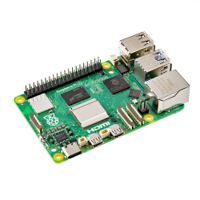
بورد رازبيري باي 5 حجم 2 كيكا
Raspberry PIIQD 145,000
بورد اي تي تايني 85 مع منفذ تايب سي
IQD 5,500
اردوينو نانو النسخة الرابعة الحديثة
IQD 28,000
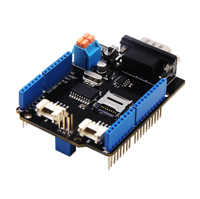
شيلد كان بس النسخة الثانية
IQD 65,000
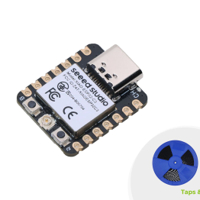
بورد اي اس بي 32 سي 3 من شركة سيد ستوديو
IQD 11,000
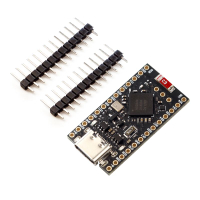
بورد متحكم نوع نانو رقم NRF52840
IQD 7,500
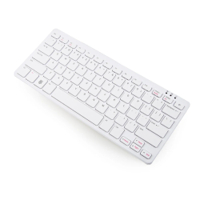
رازبيري باي كيبورد نسخة 500
Raspberry PIIQD 220,000
رازبيري باي 5 بذاكرة 16 كيكابايت
Raspberry PIIQD 265,000
شاشة من النوع الورقي على شكل هات للرازبيري باي مع منفذ اس بي اي للتحكم بها
WaveshareIQD 35,000
بورد تطويري من شركة اي اس بي 32 مع شاشة لمس حجم 2.4 انج
EspressifIQD 22,500
مبرمجة من شركة مايكروجب اصلية لبرمجة متحكم البك بكت 4
IQD 255,000
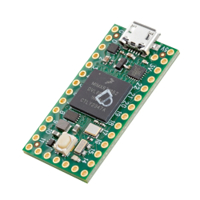
معالج تينيسي النسخة 4 مع امكانية قفل الكود وتشفيره في البورد
IQD 55,000
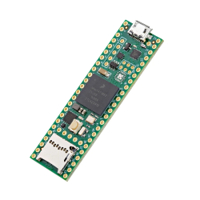
لوحة تطوير تنسي 4.1 هي لوحة ميكروكنترولر بدون ايثرنت
IQD 65,000
اردوينو نانو تايب سي غير ملحوم
IQD 5,500
لوحة راسبيري باي بيكو دبليو 2
Raspberry PIIQD 18,000
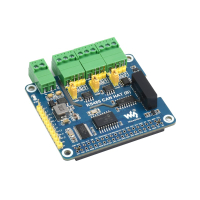
هات للرازبيري باي معزولة وترتبط مع بروتوكول ار اس 485 وبروتوكول الكان
WaveshareIQD 54,000
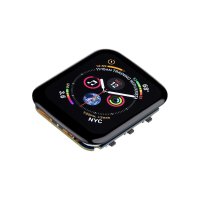
شاشة لمس مع متحكم اي اس بي 32 النسخة الثالثة مربوطين بشكل مدمج
WaveshareIQD 55,000
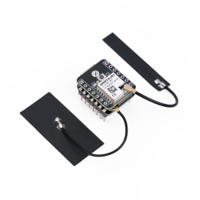
بورد اي اس بي 32 من شركة سيد ستوديو مع ملحق لورا
IQD 28,000
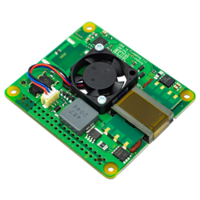
رازبيري باي هات لتوفير الطاقة للرازبيري باي عن طريق الايثرنت
IQD 42,500
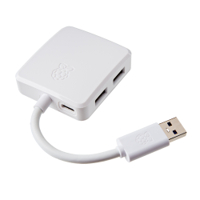
منفذ مخارج ومداخل يو اس بي من للرازبيري باي اصلي
Raspberry PIIQD 25,500
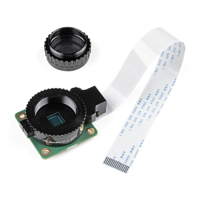
كاميرا رازبيري باي حجم 12 ميكا بكسل احترافية يستخدم معها عدسات
Raspberry PIIQD 125,000
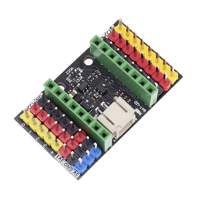
لوحة التوسعة ESP32-C3 SuperMini تعزز لوحة التطوير ESP32-C3 من خلال دعم بطاريات الليثيوم، الشحن عبر U...
IQD 5,500
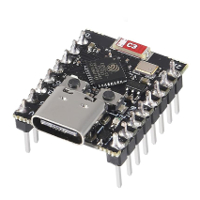
لوحة تطوير ESP32C3 Super Mini هي حل صغير وقوي لإنترنت الأشياء مع دعم WiFi و Bluetooth 5.0 وواجهات مت...
EspressifIQD 5,250
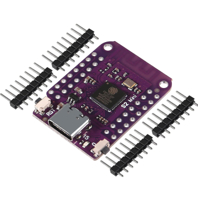
لوحة التطوير S2 Mini V1.0.0 ESP32-S2 هي لوحة مدمجة وعالية الأداء مزودة بذاكرة فلاش 4MB و2MB PSRAM، م...
EspressifIQD 4,750
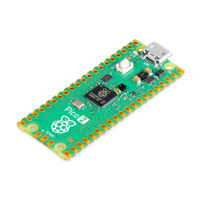
رازبيري باي بيكو 2
Raspberry PIIQD 14,000
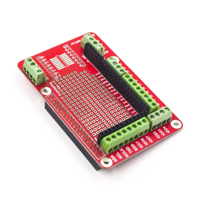
سكروهات للرازبيري باي ذو ال 40 بن
IQD 13,500
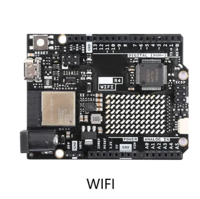
بورد الاردوينو اونو النسخة الرابعة واي فاي الصيني
IQD 26,000
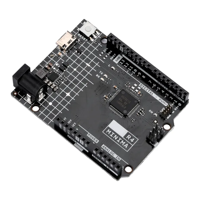
اردوينو اونو النسخة الرابعة مينيما النسخة الصينية
IQD 14,000
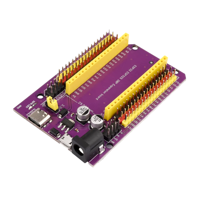
بورد اكسبانشن للاي اي بي 32 مع بنات 38 ومزود بمنفذ تايب سي ومايكرو يو اي بي
IQD 3,000
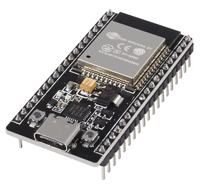
بورد اي اس بي 32 ذو 38 بن مع منفذ تايب سي وايسي مبرمجة نوع سي بي 2102
EspressifIQD 11,000