
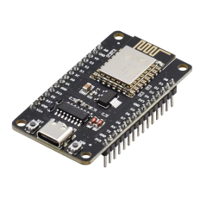
نود ام سي يو مع مبرمجة ch340 side image
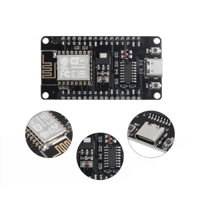
نود ام سي يو مع مبرمجة ch340 side image
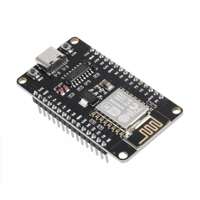
نود ام سي يو مع مبرمجة ch340 side image
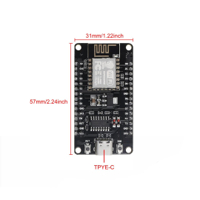
نود ام سي يو مع مبرمجة ch340 side image
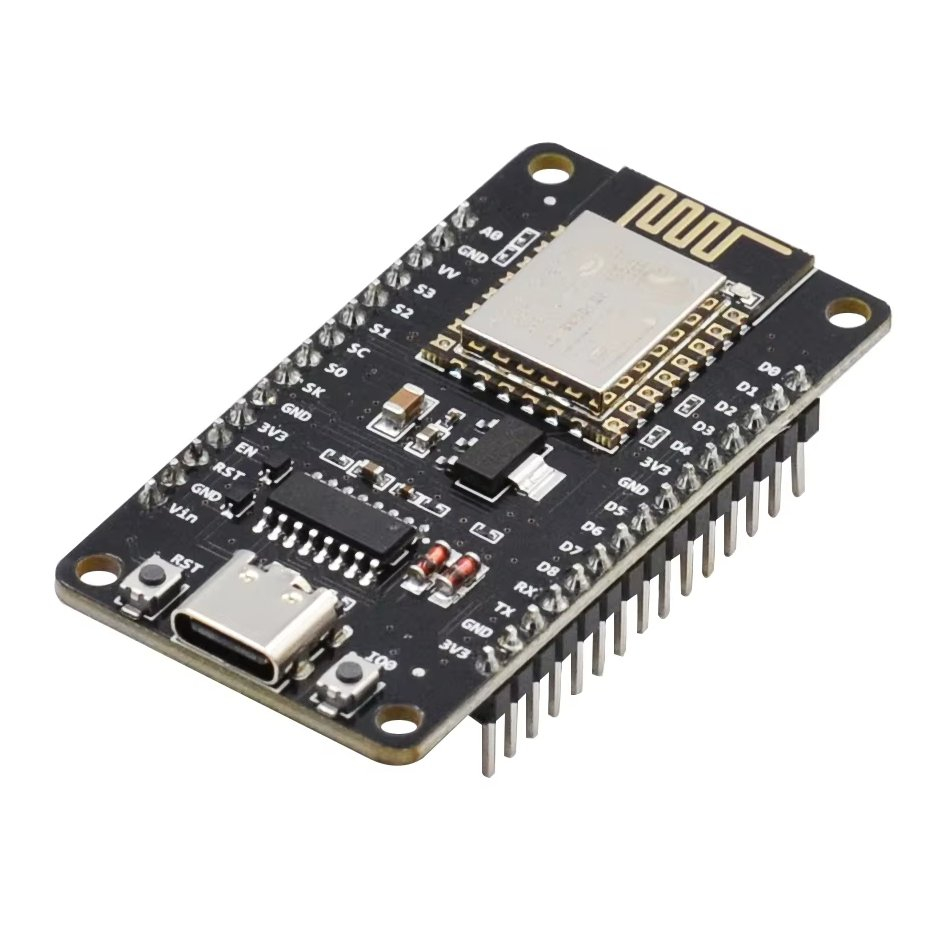
نود ام سي يو مع مبرمجة ch340
IQD 5,000

الوصف
The ESP8266 NodeMCU WiFi module is the latest version of this popular module and can be used as a WiFi enabled replacement for an Arduino in many applications.
KEY FEATURES OF ESP8266 NODEMCU MODULE:
Microcontroller: ESP-8266 32-bit
Clock Speed: 80 MHz
USB Converter: CH340
USB Connector: Type-C
Operating Voltage: 3.3V
Flash Memory: 4 MB
Digital I/O: 11
Analog Inputs: 1
Communications: Serial, SPI. I2C and 1-Wire via software libraries
WiFi: Built-in 802.11 b/g/n
Besides adding WiFi capability, the main claim to fame for the ESP8266 processor over the AVR processor of the standard Arduino is that it has a larger 4 MB of Flash memory and runs at clock speeds of 80 MHz and can sometimes optionally be overclocked to 160 MHz and therefore has a very fast processing speed.
The Digital I/O all support PWM and interrupts. In addition they can be configured to have pull-up or pull-down resistors. Though there are 11 digital I/O pins, 2 are typically reserved for use as the TX/RX lines if serial communications are used which leaves 9 digital I/O.
On the down-side, it has only 1 analog input which is probably the most significant limitation for some sensor type applications. That can always be overcome by using an external Analog Mux module like our 16-channel 74HC4067 or our ADS1115 4-channel 16-bit ADC module below if more analog I/O is desired.
The module can be powered via the USB port or by using an external 7-12V power supply connected to the VIN pin. The module runs at 3.3V, so keep that in mind when working with I/O. The digital I/O is stated as being 5V tolerant, but the analog input needs to be limited to < 3.3V.
The blue on-board LED is connected to D0 (GPIO16) and can be accessed using the LED_BUILTIN constant.
The module has a typical ‘Reset’ button as well as a ‘Flash’ button. The Flash button is used when programming using the original NodeMCU firmware. If the module is being used with the Arduino IDE, the Flash button does not need to be used to program the board and it will program just as any Arduino board would.
The module comes loaded with the NodeMCU software that accepts the standard AT command set. The module was initially designed primarily to be programmed using Lua which is an interpreted language, but Lua has been mostly abandoned because it takes up a lot of memory and is slow because it is interpreted and more importantly it is generally buggy.
It can also be programmed in C using the Arduino IDE and is how the modules are most often used. An example program is shown down below. If a program is download via the IDE, it will overwrite the NodeMCU software or whatever else was loaded before. If that is a problem for what you want to do, the NodeMCU software can always be reloaded.
The board uses the CH340 chip for USB communications. If you have any issues with connecting to the board, you may need to download a driver. Just search for Arduino CH340 driver and you will find a number of sources for drivers depending on what Windows or Mac operating system you are using.
TECHNICAL SPECIFICATIONS
MicrocontrollerESP8266 Tensilica 32-bitSerial to USB ConverterCH340Operating Voltage3.3VInput Voltage (recommended)7-12VDigital I/O Pins11PWM I/O Pins (Shared with Digital I/O)10Analog Input Pins1 (10-bit)DC Current per I/O Pin12mA (Max)Hardware Serial Ports1Flash Memory4 MBytesInstruction RAM64 KBytesData RAM96 KBytesClock Speed80MHzNetworkIEEE 802.11 b/g/n WiFUSB Connector StyleType-CBoard Dimensions (PCB) 69 x 53mm
Watch a video walkthrough of this process
we’ll show you how to install CH340 drivers on multiple operating systems if you need them. The driver should automatically install on most operating systems. However, there is a wide range of operating systems out there. You may need to install drivers the first time you connect the chip to your computer’s USB port or when there are operating system updates.
Windows
Download the Windows CH340 Driver
Unzip the file
Run the installer that you unzipped
التاكات
منتجات مشابه
بورد رازبيري باي 5 حجم 2 كيكا
Raspberry PIIQD 145,000
بورد اي تي تايني 85 مع منفذ تايب سي
IQD 5,500
اردوينو نانو النسخة الرابعة الحديثة
IQD 28,000
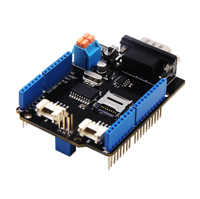
شيلد كان بس النسخة الثانية
IQD 65,000
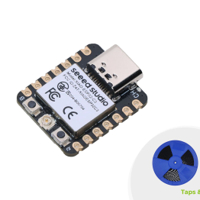
بورد اي اس بي 32 سي 3 من شركة سيد ستوديو
IQD 11,000
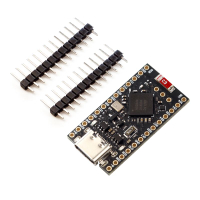
بورد متحكم نوع نانو رقم NRF52840
IQD 7,500
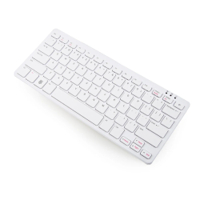
رازبيري باي كيبورد نسخة 500
Raspberry PIIQD 220,000
رازبيري باي 5 بذاكرة 16 كيكابايت
Raspberry PIIQD 265,000
شاشة من النوع الورقي على شكل هات للرازبيري باي مع منفذ اس بي اي للتحكم بها
WaveshareIQD 35,000
بورد تطويري من شركة اي اس بي 32 مع شاشة لمس حجم 2.4 انج
EspressifIQD 22,500
مبرمجة من شركة مايكروجب اصلية لبرمجة متحكم البك بكت 4
IQD 255,000
معالج تينيسي النسخة 4 مع امكانية قفل الكود وتشفيره في البورد
IQD 55,000
لوحة تطوير تنسي 4.1 هي لوحة ميكروكنترولر بدون ايثرنت
IQD 65,000
اردوينو نانو تايب سي غير ملحوم
IQD 5,500
لوحة راسبيري باي بيكو دبليو 2
Raspberry PIIQD 18,000
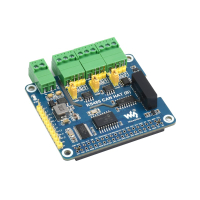
هات للرازبيري باي معزولة وترتبط مع بروتوكول ار اس 485 وبروتوكول الكان
WaveshareIQD 54,000
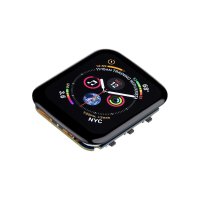
شاشة لمس مع متحكم اي اس بي 32 النسخة الثالثة مربوطين بشكل مدمج
WaveshareIQD 55,000
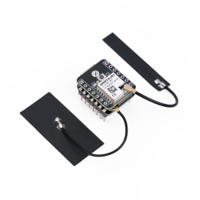
بورد اي اس بي 32 من شركة سيد ستوديو مع ملحق لورا
IQD 28,000
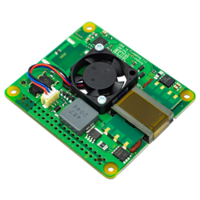
رازبيري باي هات لتوفير الطاقة للرازبيري باي عن طريق الايثرنت
IQD 42,500
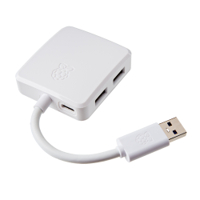
منفذ مخارج ومداخل يو اس بي من للرازبيري باي اصلي
Raspberry PIIQD 25,500
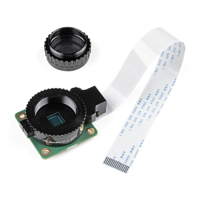
كاميرا رازبيري باي حجم 12 ميكا بكسل احترافية يستخدم معها عدسات
Raspberry PIIQD 125,000
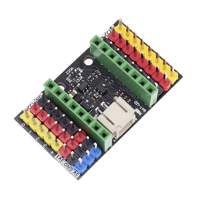
لوحة التوسعة ESP32-C3 SuperMini تعزز لوحة التطوير ESP32-C3 من خلال دعم بطاريات الليثيوم، الشحن عبر U...
IQD 5,500
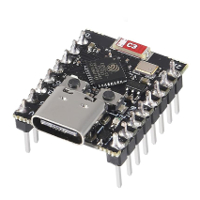
لوحة تطوير ESP32C3 Super Mini هي حل صغير وقوي لإنترنت الأشياء مع دعم WiFi و Bluetooth 5.0 وواجهات مت...
EspressifIQD 5,250
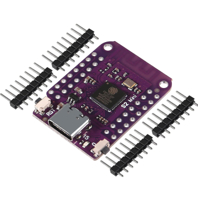
لوحة التطوير S2 Mini V1.0.0 ESP32-S2 هي لوحة مدمجة وعالية الأداء مزودة بذاكرة فلاش 4MB و2MB PSRAM، م...
EspressifIQD 4,750
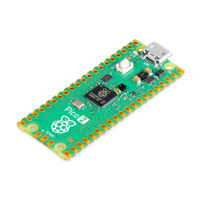
رازبيري باي بيكو 2
Raspberry PIIQD 14,000
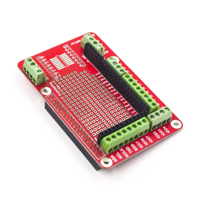
سكروهات للرازبيري باي ذو ال 40 بن
IQD 13,500
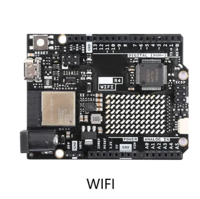
بورد الاردوينو اونو النسخة الرابعة واي فاي الصيني
IQD 26,000
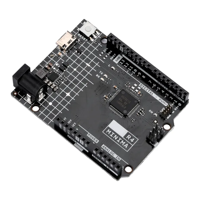
اردوينو اونو النسخة الرابعة مينيما النسخة الصينية
IQD 14,000
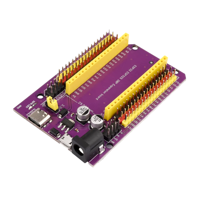
بورد اكسبانشن للاي اي بي 32 مع بنات 38 ومزود بمنفذ تايب سي ومايكرو يو اي بي
IQD 3,000
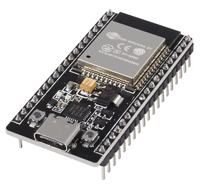
بورد اي اس بي 32 ذو 38 بن مع منفذ تايب سي وايسي مبرمجة نوع سي بي 2102
EspressifIQD 11,000