
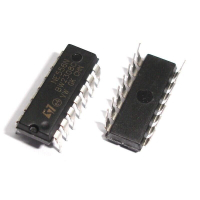
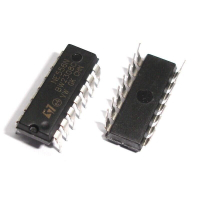
تايمر ايسي رقم ان اي 556 14 رجل side image
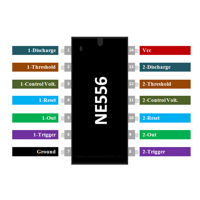
تايمر ايسي رقم ان اي 556 14 رجل side image
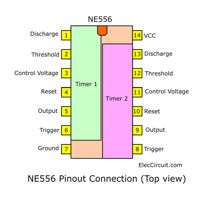
تايمر ايسي رقم ان اي 556 14 رجل side image
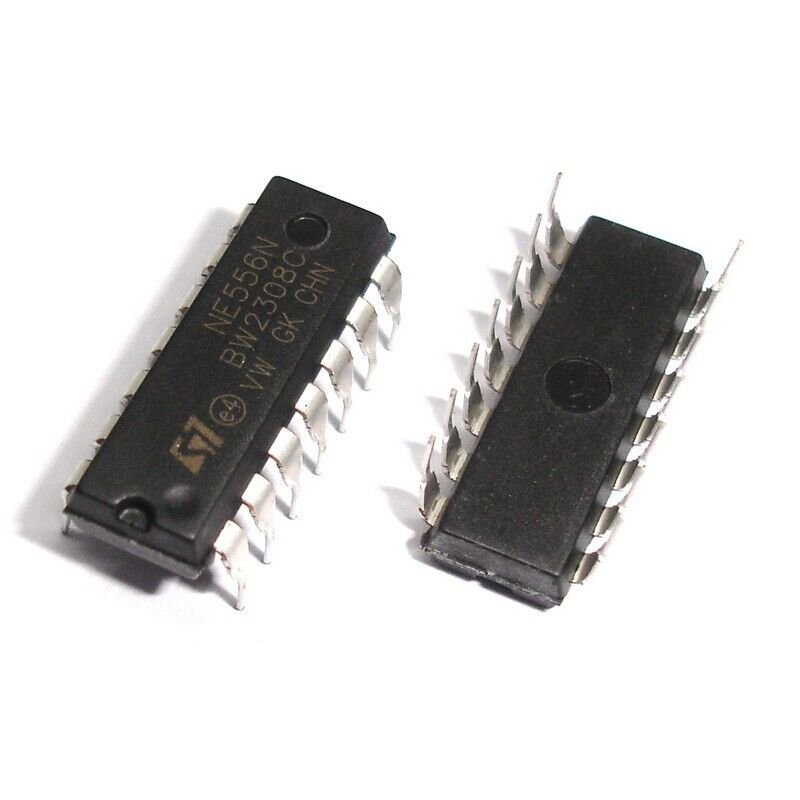
تايمر ايسي رقم ان اي 556 14 رجل
IQD 500
الوصف
1. General Description
Dual Timer: Combines two 555-type timers in one chip.
Flexible Configuration: Each timer can run independently or work together for more complex timing.
Shared Power: Both timers use the same power pins but otherwise act separately.
2. Operating Modes
Monostable (One-Shot)
Produces a single pulse whenever triggered.
Commonly used for creating delays or generating a timed output.
Astable (Oscillator)
Outputs a continuous square wave (a repeating on-off cycle).
Useful as a clock, blinking LED driver, or basic signal generator.
Each mode requires external resistors and capacitors to set the duration or frequency, but the exact calculations are not shown here.
3. Key Features
Supply Voltage: Typically works from about 4.5 V to 15 V.
Output Drive: Can drive typical logic inputs or power small loads directly (tens of milliamps).
Independent Reset/Control: Each timer has its own reset and control inputs for overriding or shaping its operation.
Stable Operation: Proper decoupling (using small capacitors) and quality external components improve timing accuracy and reduce noise.
4. Typical Applications
Dual Delays: Two separate one-shot pulses triggered by different signals.
Frequency Generation: Two different oscillators in one package (e.g., one for a low-frequency blink, another for a higher-frequency tone).
Sequential Timers: Use the first timer’s output to trigger the second, creating a sequence of timed events.
Pulse Shaping: Cleaning up or modifying signals by controlling pulse width or timing.
5. Design Tips
Use good-quality resistors and capacitors to minimize drift or error in timing.
Place a small bypass capacitor (around 0.1 µF) across the power pins (from V<sub>CC</sub> to ground) to reduce noise.
If the reset pins are not used, tie them to the supply rail so they do not reset unexpectedly.
For higher output currents, add a transistor or MOSFET driver.
In summary, the NE556 is essentially two 555-timers in one chip, making it convenient for projects needing multiple pulses or waveforms. By choosing appropriate external components and wiring each timer for monostable or astable mode, you can create a broad range of timing, oscillation, and control functions in a single, compact IC.
التاكات
منتجات مشابه
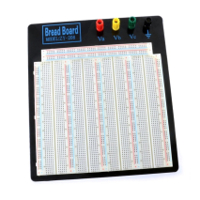
بريد بورد مختبري كبير حجم 3220
IQD 20,000
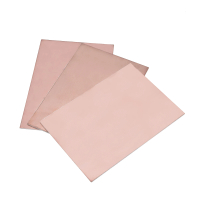
بورد نحاس دبل سايد حجم 20*15 سم من مادة اف ار 4
IQD 3,500
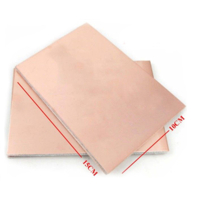
بورد نحاس دبل سايد حجم 10*15 سم من مادة اف ار 4
IQD 2,000
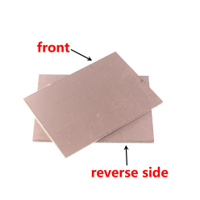
بورد نحاس دبل سايد حجم 5*7 سم من مادة اف ار 4
IQD 750
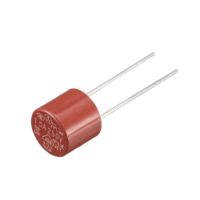
فيوز دائري 250 فولت بتيارات متغيرة
IQD 250
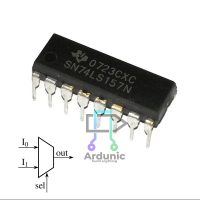
ايسي بوابات منطقية ملتيبلكسر مدخلين ومخرج واحد
IQD 750
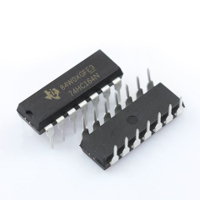
ايسي لوجك شفت رجستر 8 بت رقم 74164
IQD 500
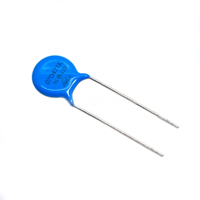
فارستر 470 فولت حجم 7 ملم
IQD 250
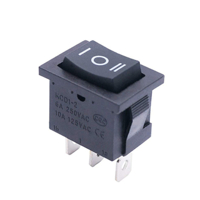
سوج روكر ثلاثي الاطراف بمدخل ومخرجين
IQD 250
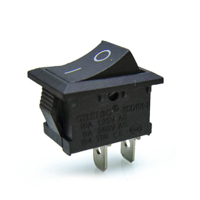
سوج مفتاج فتح وغلق لون اسود حجم 21*15 ملم
IQD 250
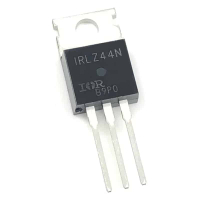
موسفت نوع ان جنل يتحمل بور
IQD 500
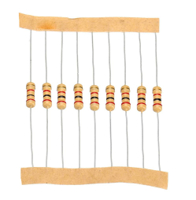
مقاومات نصف واط كاربون فلم 10 قطع
IQD 250
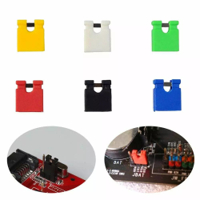
جمبر للبن هيدرز قطعتين بالوان مختلفة
IQD 250
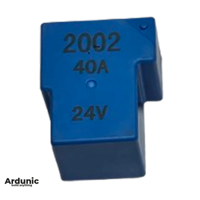
ريلي بور بي سي بي 30 بفولتيات تحكم مختلقة 5 - 12 - 24 فولت باطراف عدد 6
IQD 1,500
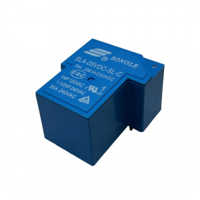
ريلي بور بي سي بي 30 بفولتيات تحكم مختلقة 5 - 12 - 24 فولت باطراف عدد 6
IQD 1,250
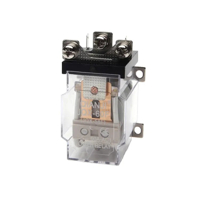
ريلي هاي بور 220 فولت 60 امبير
IQD 8,500
تايمر ايسي رقم ان اي 556 14 رجل
IQD 500
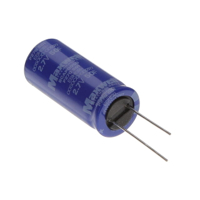
متسعة فائقة السعة ( سوبر كاباسيتر ) 25 فاراد و 2.7 فولت
IQD 3,000
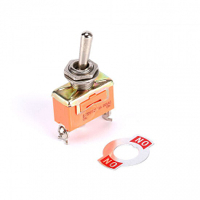
مفتاح توككل احادي القطب يتحمل 250 فولت و 15 امبير
IQD 1,000
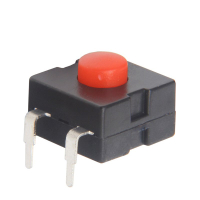
سوج ضغط حجم 12ملم * 12ملم ذو بنين
IQD 250
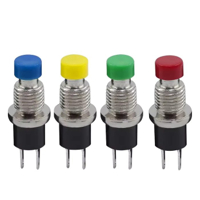
مفتاح بوش بتن ضاغط قطر 7 ملم والحالة الاعتيادية يكون مغلق
IQD 300
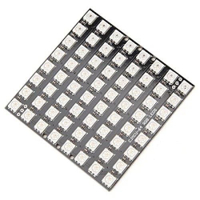
بورد مربع مكون من لدات 8 ب 8 ملونة
IQD 3,000
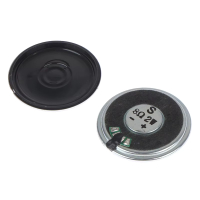
سماعة حجم 40ملم 2 واط 8 اوم
IQD 2,250
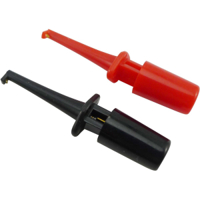
فيشة واير قراصة حجم صغير 43 ملم
IQD 250
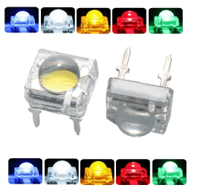
ليد عالي السطوع نوع بيرانيا 5 ملم بالوان مختلفة
IQD 250
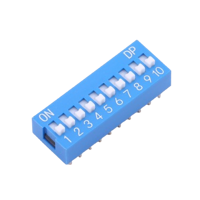
دب سوج ازرق اثنا عشر منفذ
IQD 750
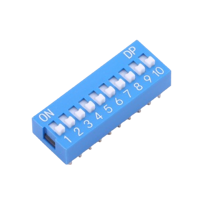
دب سوج ازرق عشر منافذ
IQD 650
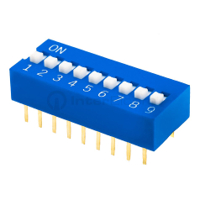
دب سوج ازرق تسعاي المنفذ
IQD 600
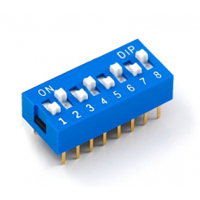
دب سوج ازرق ثماني المنفذ
IQD 550
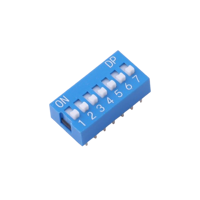
دب سوج ازرق سباعي المنفذ
IQD 500